Blog

Uncategorized

A Virtual Art Gallery: Writing Wild Through the Eyes of Laura Alexander

Creatives of all sorts come on our writing retreats, and sometimes we are lucky enough to have a photographer among our ranks. Take a stroll through the virtual gallery of Laura Alexander, who is both an amazing writer and photographer, and see the Writing Wild in Costa Rica (January 2019) retreat through her creative eyes:

IMG_2573
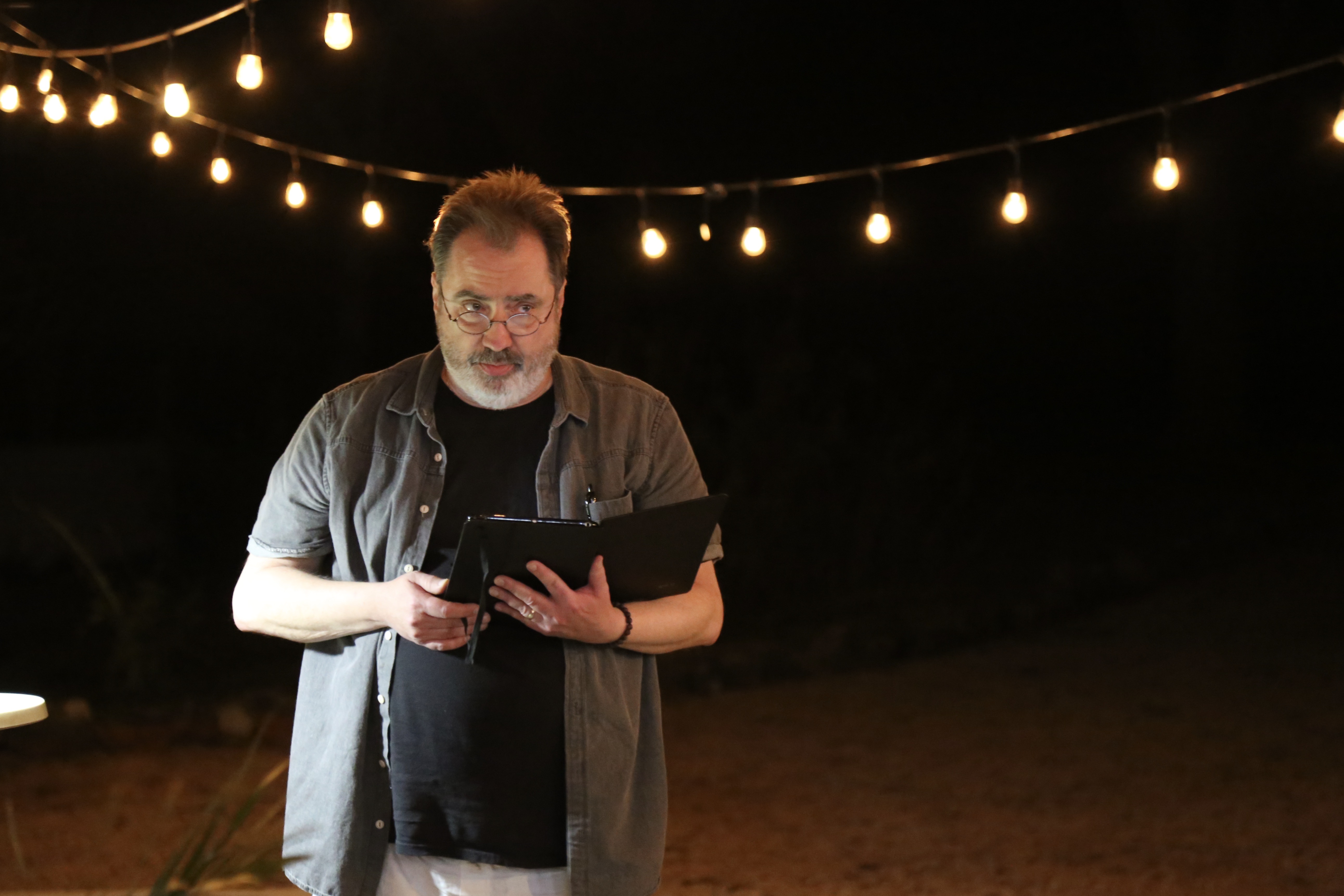
Bill Merklee reading under the tropical stars on Salon Night
IMG_2428
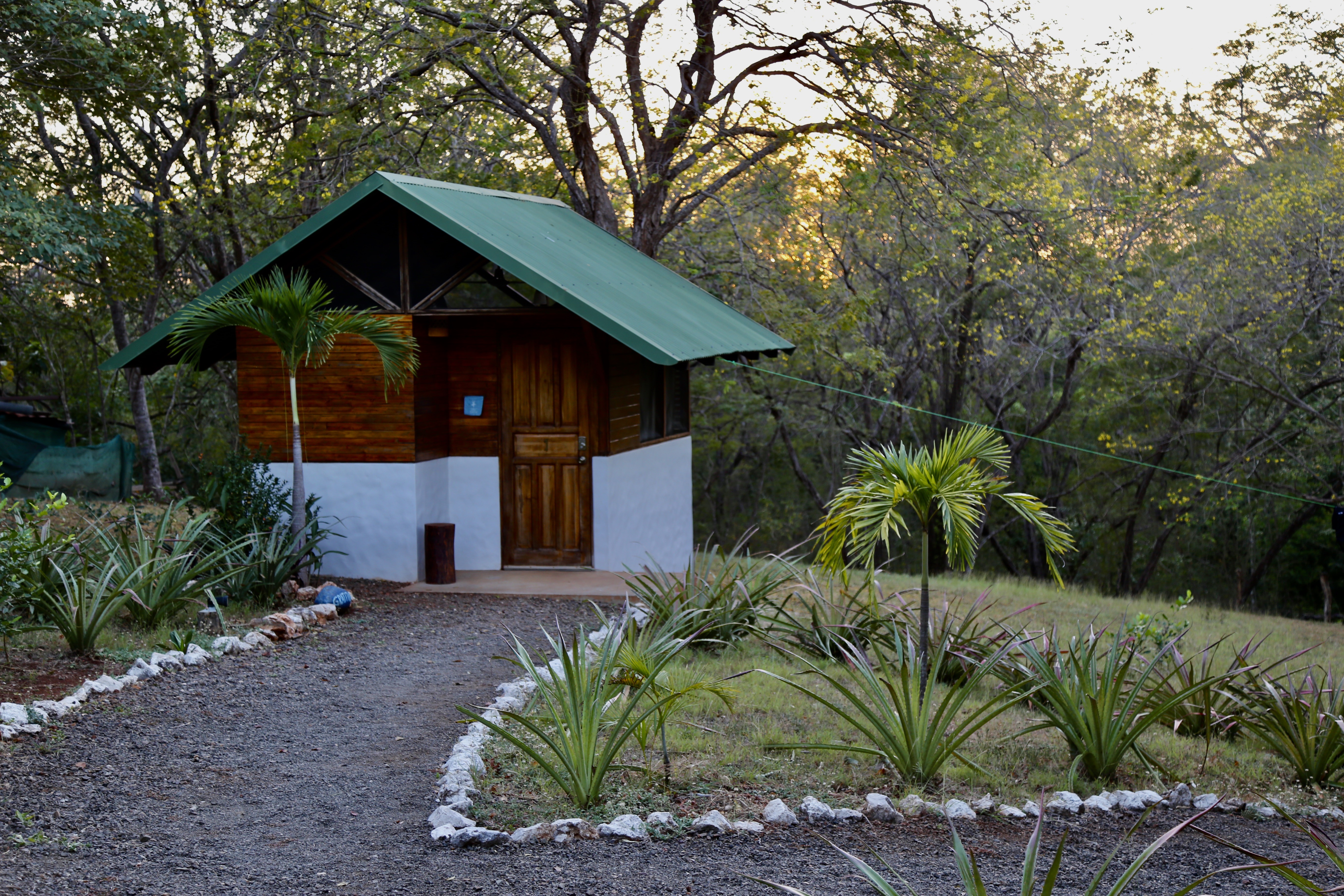
Jungle cabina at dusk
IMG_2380
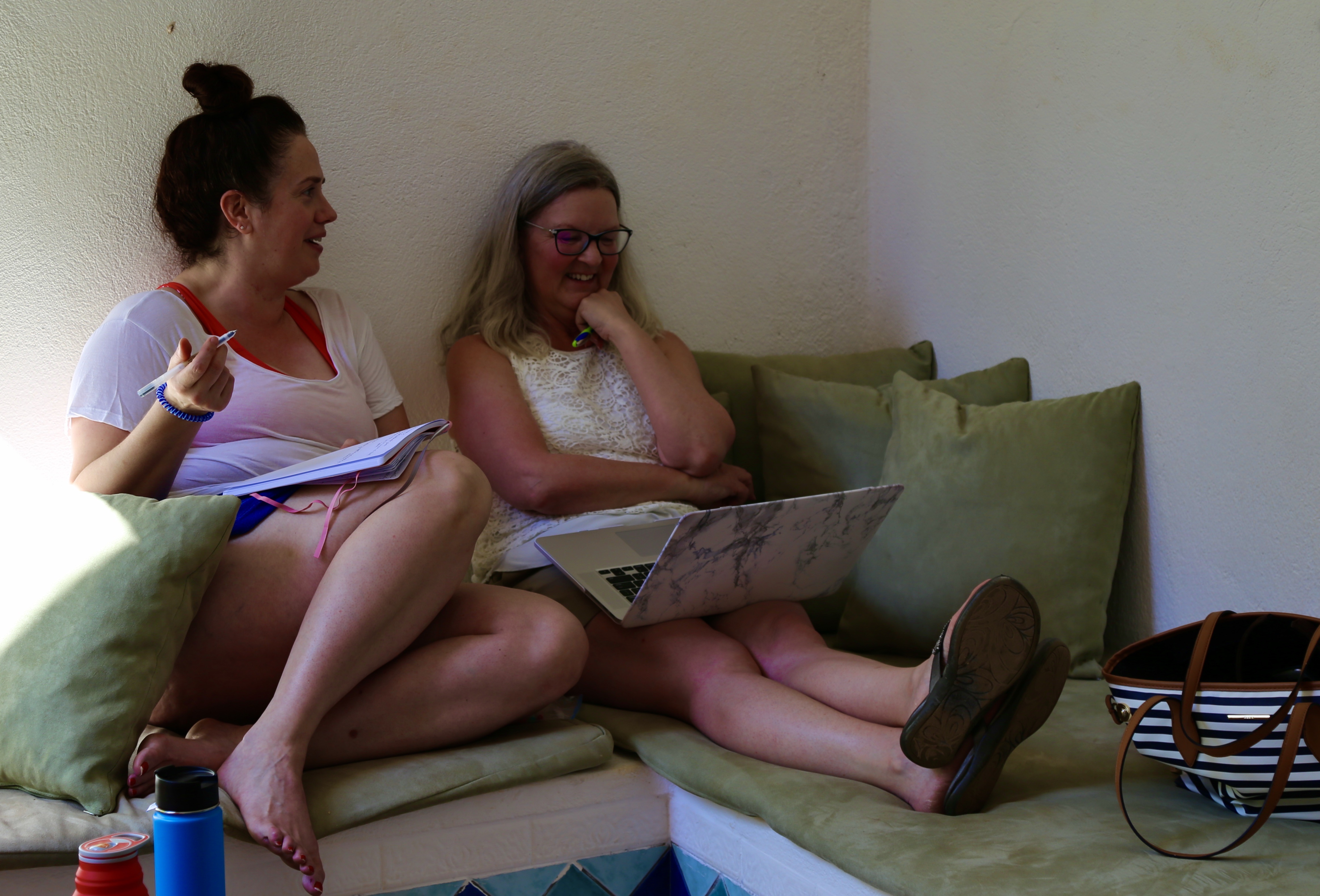
Kathy Fish and Gay Degani
IMG_2369
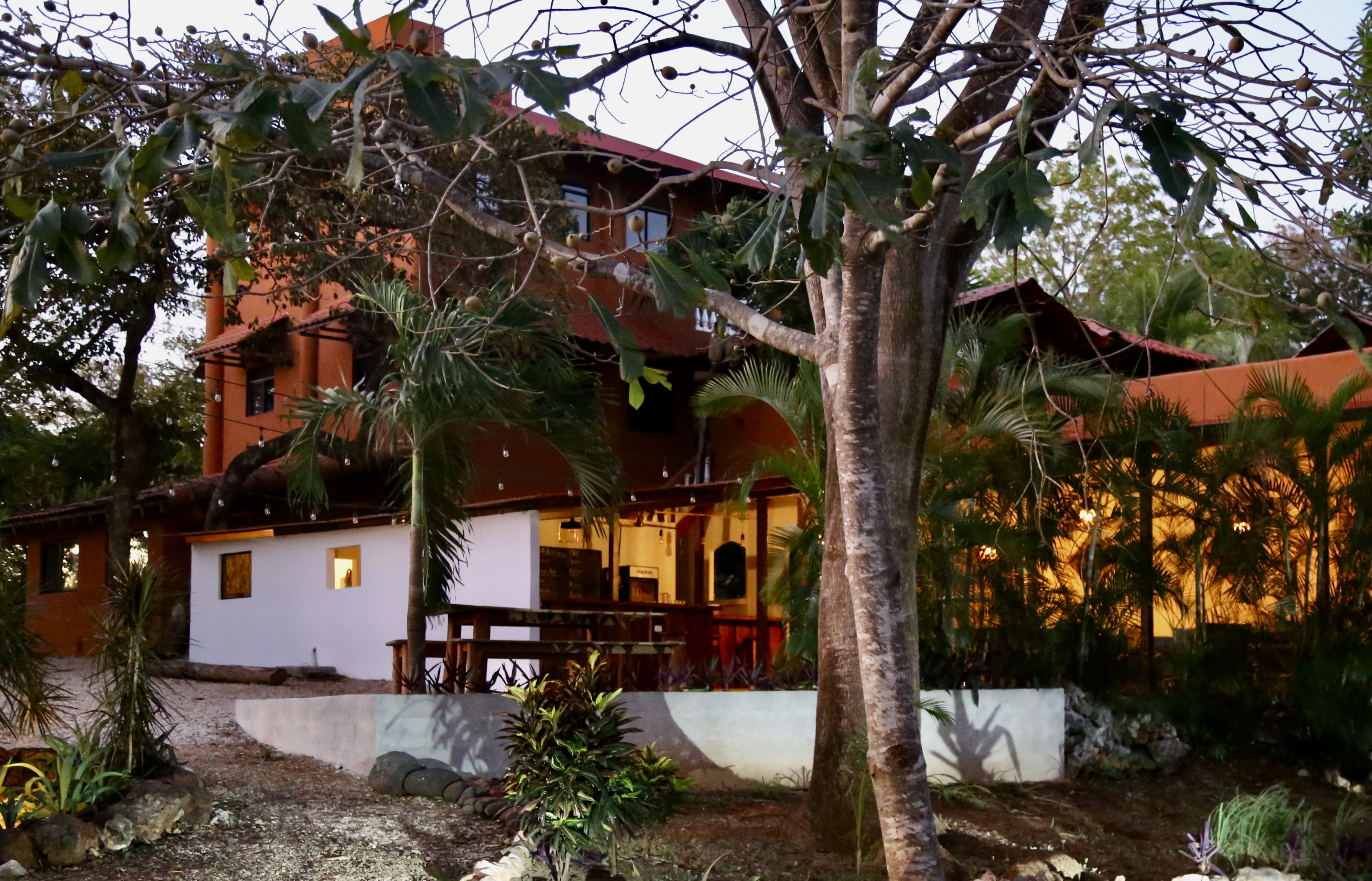
The Main House at dusk
IMG_2364
Transitioning from day to night
IMG_2379
Corey Miller
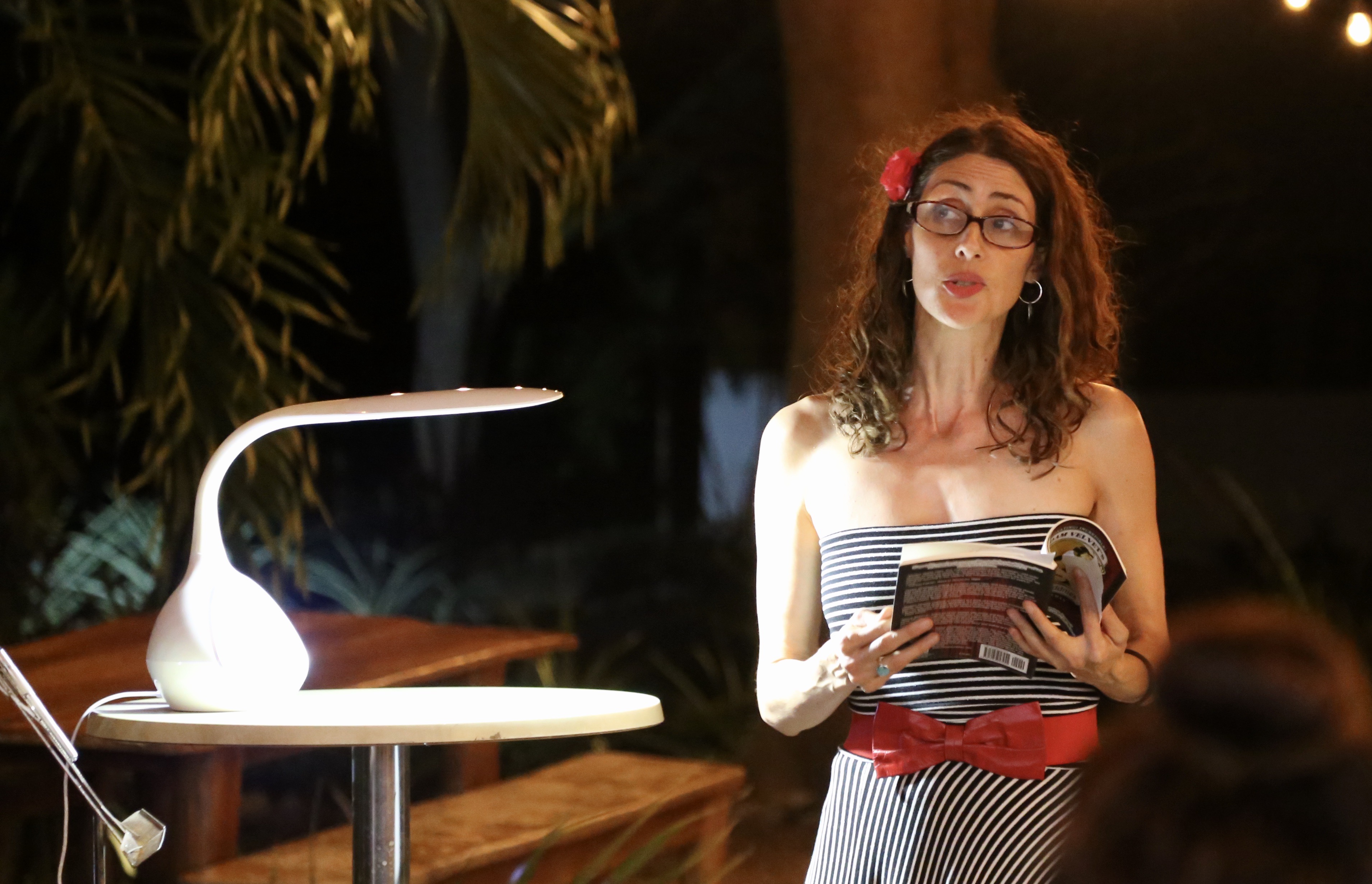
IMG_2678
Nancy Stohlman on Salon Night
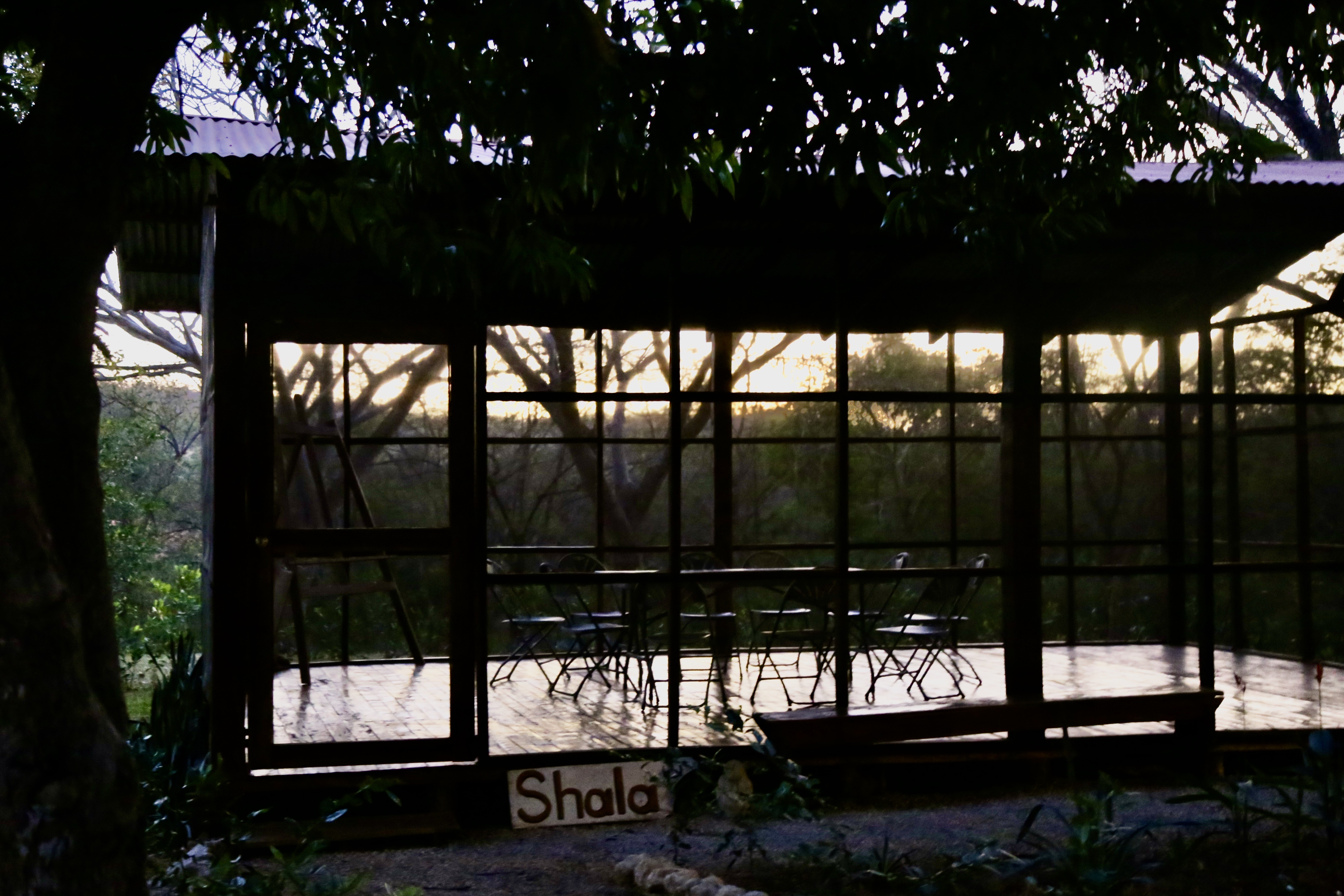
IMG_2359
Sunrise over the classroom
IMG_2394
Kathy Fish and Lenore Hanisch
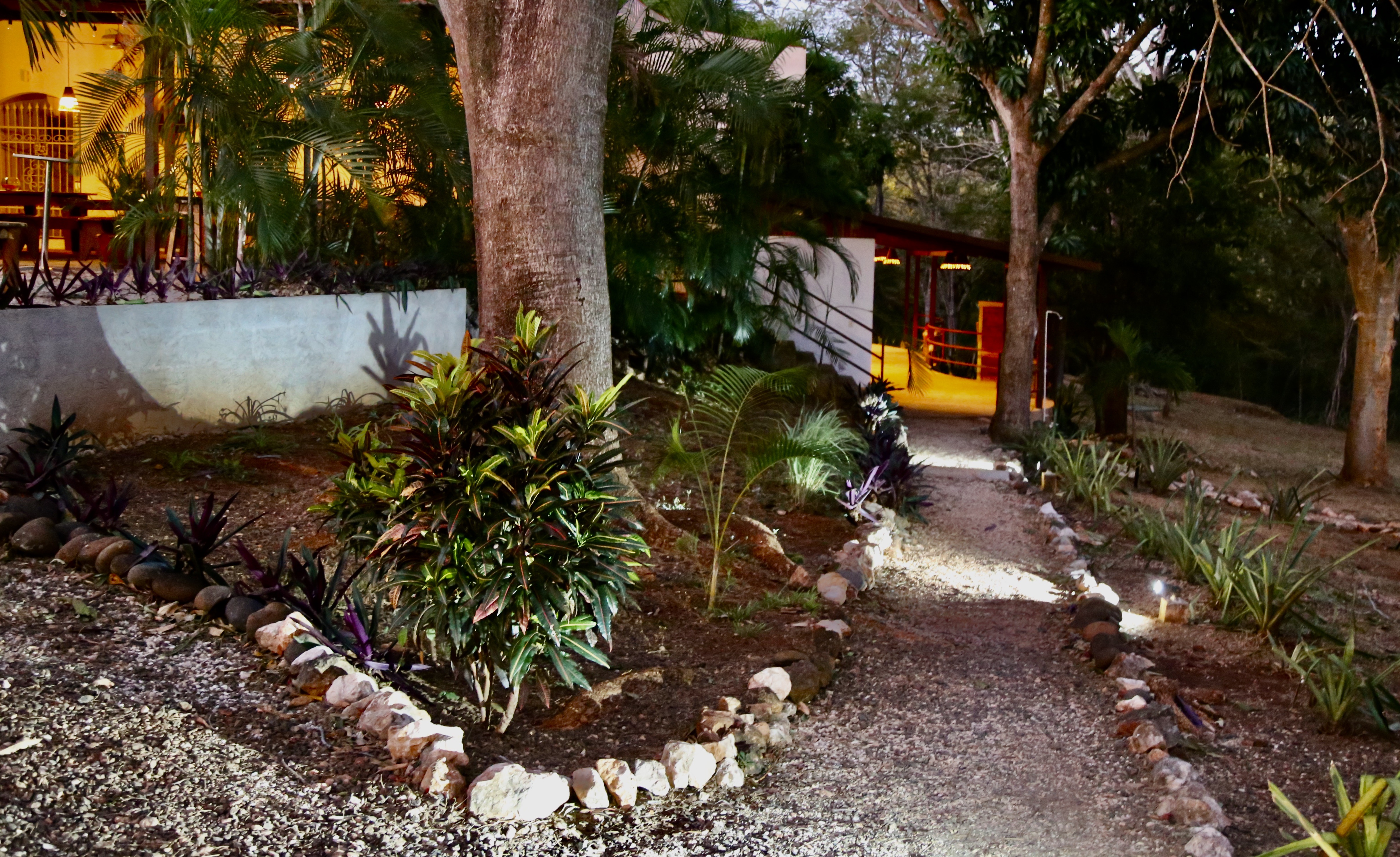
IMG_2431
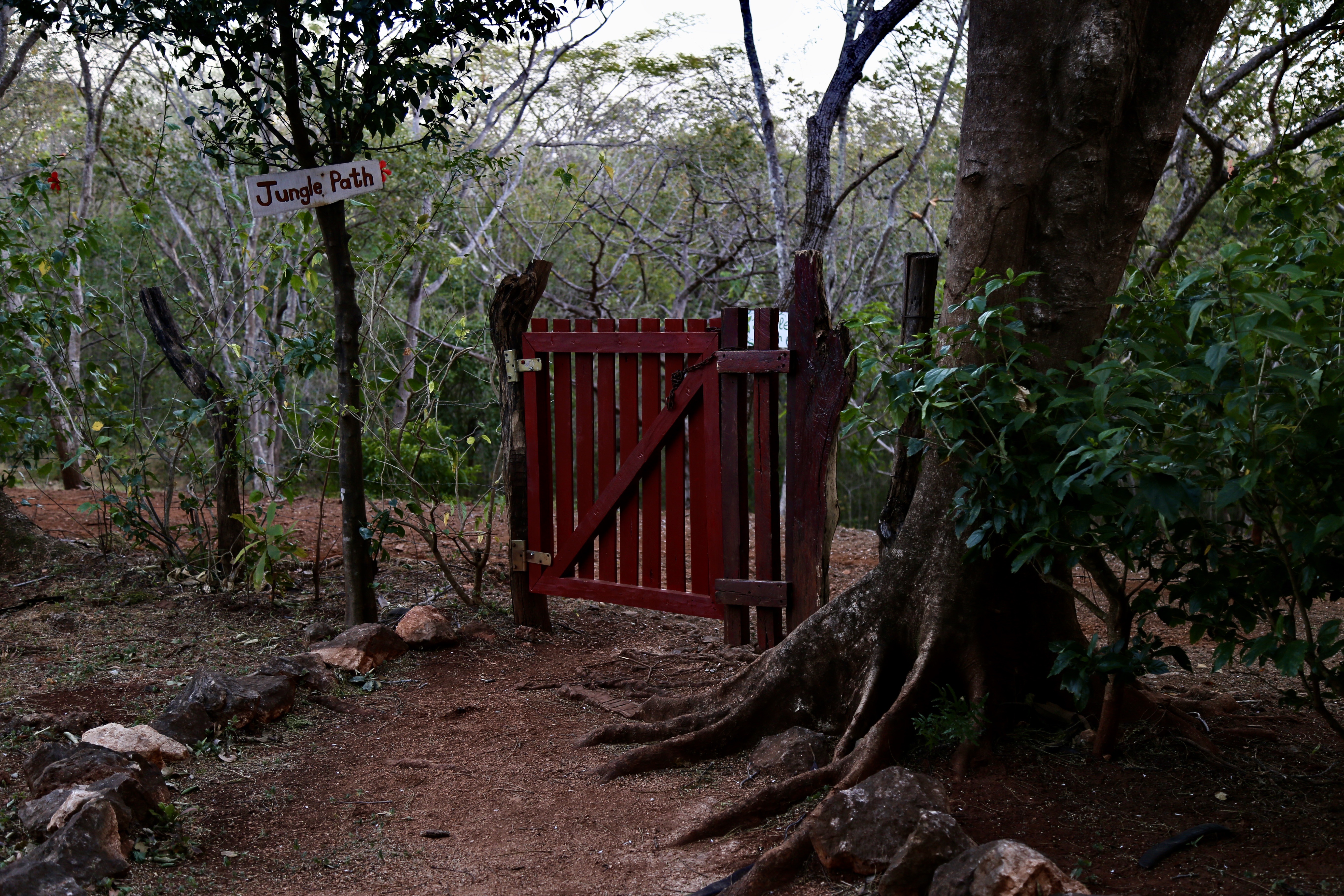
The Jungle Path
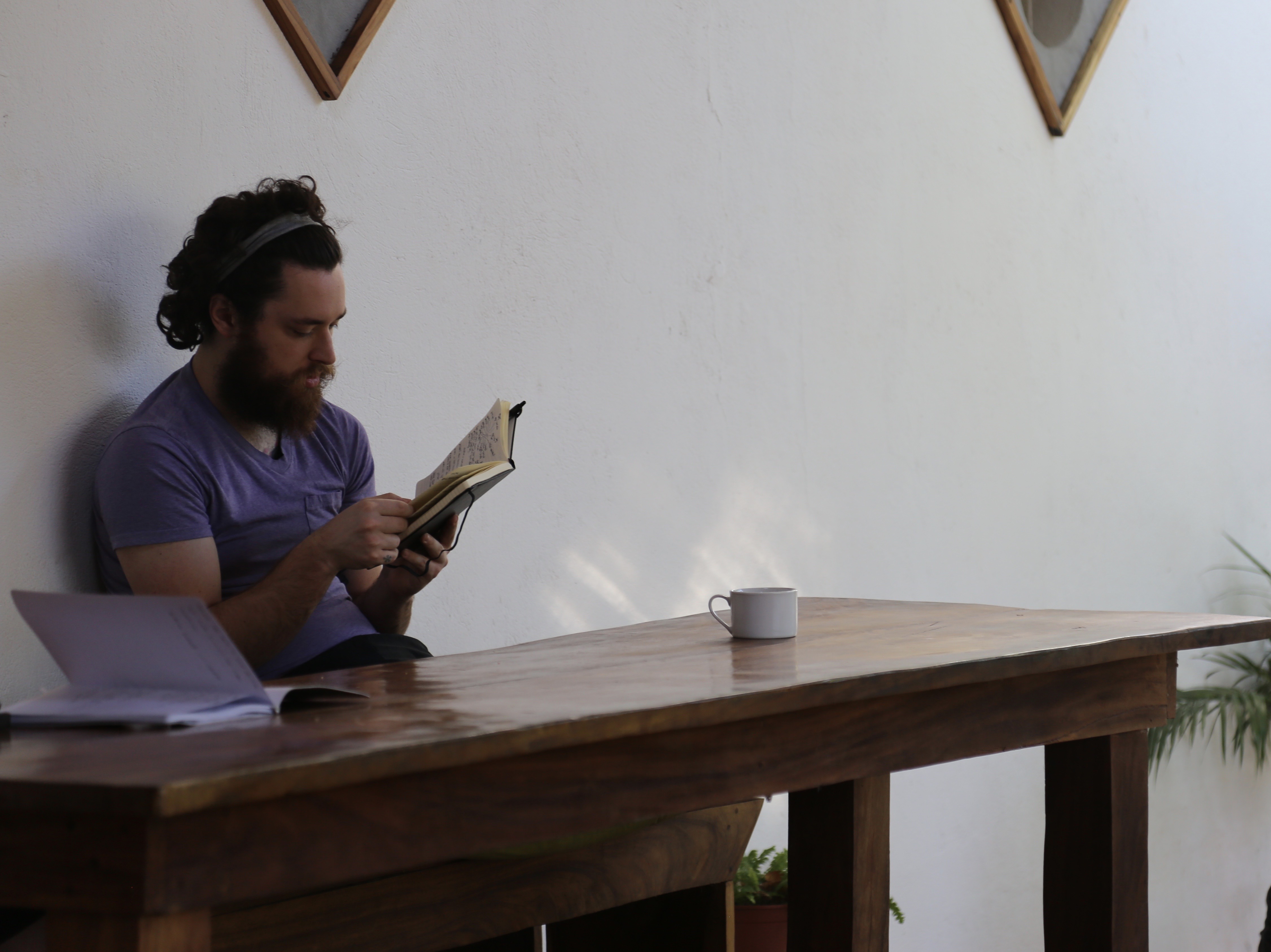
IMG_2301
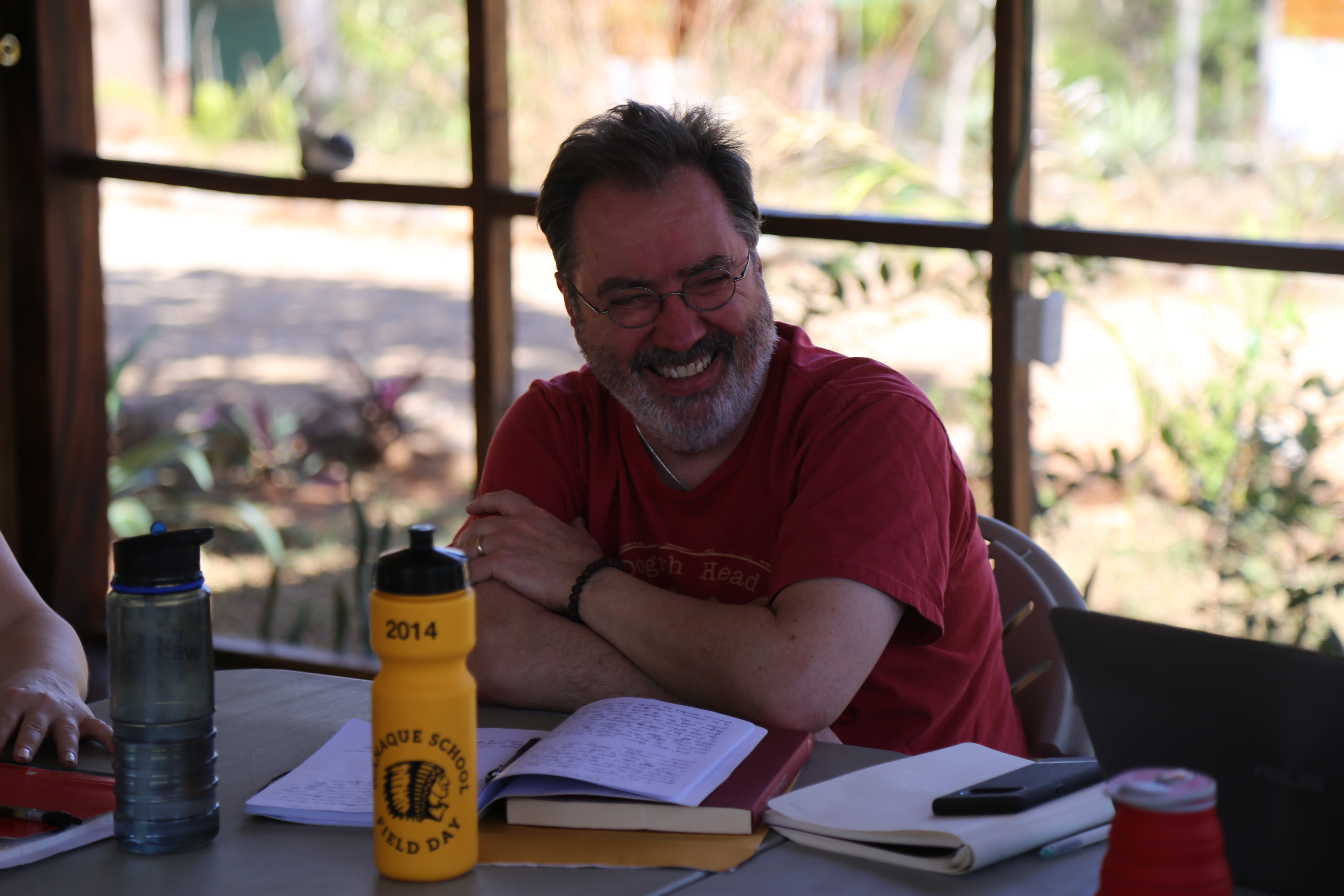
Bill Merklee
IMG_2429
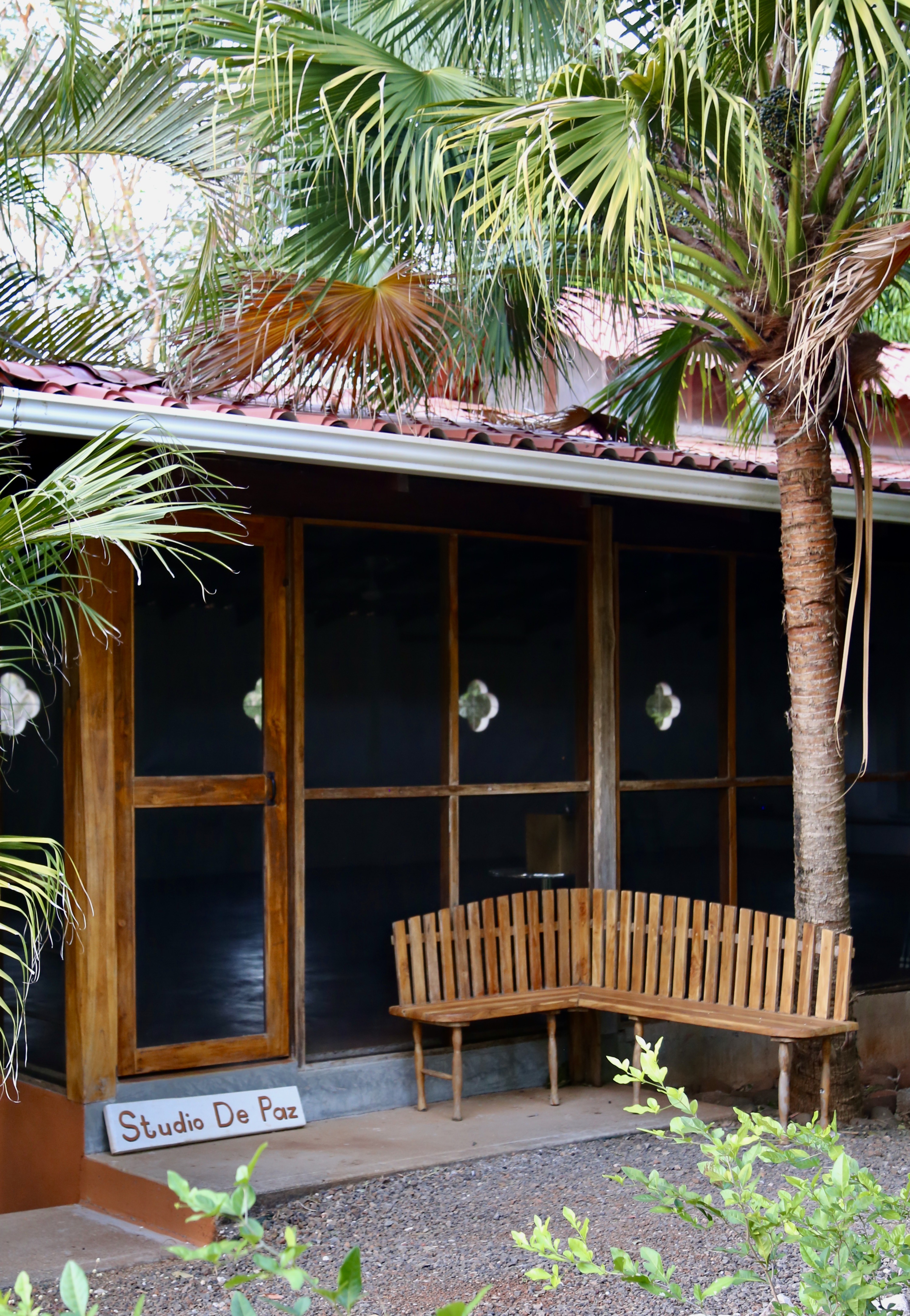
Peace Studio

IMG_2423

IMG_2229
Sunset at the Pacific


All photos courtesy of Laura Alexander.

Our return to Costa Rica has new dates: May 8-14, 2021.

We would love to have you join us! Registration will open Summer 2020.  Stay tuned or join our mailing list below for updates.

Our Grand Lake, Colorado retreat is nearly half full–join us!

← Back

Thank you for your response. ✨

Warning
Warning
Warning

Warning.

Interviews, Kathy fish

Flash Curious & Writing as a New, Fun Profession: A Chat with Linda Hahn

Nancy and I are so happy that Linda Hahn will be joining us in Yviers, France this summer for our French Connection Retreat (which sold out in three days!). Linda kindly agreed to let me ask her a few questions. She’s had a fascinating life!


Hi Linda! Would you describe yourself as a traveler and/or adventurous by nature? And have you been to France before?

I am not much of an international traveler: Mexico, Canada and Puerto Rico so far. The trip to France will be my first to the continent. However, I have lived in various locations in the US. I grew up in Michigan in the Detroit area. In my early twenties, I traveled to Oregon and lived there for over 20 years, graduating from college with a bachelor’s and a master’s. 

For about two years, I lived in Ketchikan, Alaska, the state’s third largest city on an island with 21 miles of paved road, complemented by 180 inches of precipitation per year. Playgrounds outdoors had roofs. Lots of bars and lots of churches. One movie theater, and if there were three people in line, residents thought the line was too long. No kidding. The scenery was outstanding-never saw more eagles just cruising the skies. I highly recommend traveling through the inside passage from Seattle to Juneau by ferry. You can sleep on cots on the deck under sunlamps and play cards all night. In Ketchikan, I taught swimming in elementary schools and met a lot of nice people, but two years was enough and moved back to Oregon. 

After completing my master’s degree in History of Science, I worked as a Public Historian in Washington, D.C. for about three years. I had previously been living in rural Oregon, and the culture change between Oregon and D.C. was significant. Too many people, way too much traffic. I was there during 9/11 and saw the smoke from the Pentagon burning from my apartment window. A couple of years later, during the sniper attacks actually, I moved back to Michigan. Phew.

What are you most looking forward to at the French Connection retreat?

The presentations on flash fiction intrigue me. I am not very familiar with the style so I am curious. On a practical note, even if I do not become a flash fiction writer, I suspect that the editing skills needed to pare down narrative into a very concise package will be beneficial in writing either short stories, or novels. I am also thinking that Nancy’s presentation on putting a novel together from flash fiction pieces will be helpful in putting together any novel-length piece. While these presentations sound great, honestly, I look forward most to being with people who take the craft of writing seriously and are on a journey of exploration like myself. 

Your favorite book?

Where the Crawdads Sing by Delia Owens is an all time favorite. Since reading Crawdads, I compare other novels to it and few measure up. Most compelling in Crawdads was the way I immediately felt a connection with the main character, a sense of empathy. Prior to reading that book last year, my fave was Name of the Rose by Umberto Eco. Another favorite author is Dan Brown. I have read DaVinci Code and Angels and Demons and am currently reading Origins. I came back to reading Brown because I recently signed up for Masterclasses online and first listened to his presentation. It was so wonderful to hear Dan Brown say that when he first started writing fiction, he didn’t think he could actually complete a novel. Dan Brown. Wow. I used two points he made in a short story of mine. 

And….Stranger things? Something about yourself you’d like to share?

A year and a half ago I retired from a career in prospect research/fundraising. I moved from the Metro Detroit area to the Village of Port Sanilac in the Thumb of the state, population of 600, where I live four blocks from the shores of Lake Huron (pictured on the right). In this new, quiet and remote environment, I will make writing my new fun profession. I took creative writing classes in college but let it go. Actually, I had to let it go because when I sit down and really write, it is all-consuming. My imagination goes wild and I act like a crazy person, staring at the screen, debating a paragraph and ooops, hours have passed, papers would be due and I’d be late for work. I didn’t really pick it up again until I retired, but I still have the same obsessions. I’ll work on a project totally focused for two weeks, and then not write for another two weeks. So now, I am truly enjoying being obsessive but in all honesty, I suspect these are not the best habits and I am hoping someone will magically set me on the right path.

Thanks so much, Linda! Can’t wait to hang out with you in France this summer!

Our French Connection Retreat is currently filled, but let us know if you’d like to get on the wait list. Better yet, check out our August retreat in Grand Lake, Colorado, now open for registrations!

Interviews, Nancy Stohlman, Uncategorized

Adventures in Writing: Ruth Ann Clark on Finishing, Flash Novellas, and France!

RAC2 France


We are so excited to get to work with Ruth Ann Clark this June in the gorgeous French countryside! We chatted a bit here about finishing, flash novellas, and of course: France!

Nancy: The biggest challenge most writers have is finding the time to write. How do you “retreat” in your day-to-day life in order to honor your creativity?

Ruth Ann: I’ve been an earlier riser all my life, and I don’t require much sleep. Regardless of the day of the week, I’m awake and up by 5 a.m. I write for two hours. As I’m recently retired, I now write from 5 a.m. to late morning. I’ve found I’m pretty useless after 2 p.m. Definitely an early morning person.

Tell us about your relationship with flash fiction?

I’m a novice. I became aware of flash fiction at a writers’ retreat at Interlochen (Michigan) last year. Although the retreat focused on the novel, several participants had written and published flash fiction. The form piqued my curiosity. I’ve read Brevity-A Flash Fiction Handbook, FLASH! Writing the Very Short Story, and Fish Anthologies 2019. I regularly review online sites to read submissions (mastersreview.com, lost-balloon.com, kenyonreview.org, mslexia.co.uk.)

What is the best piece of writing advice you ever received?

Two pieces of advice:

I’ve been advised to stay vigilant about overdoing descriptions. Easier said than done, but when I’m mindful of it, my writing improves.

An equally important piece of advice: read the writing aloud.

Yes! The reading aloud is key. What piece of your own writing are you most proud of?  Where can we read it (if it’s available)?

I’m not a published writer. I have been working on a novella (off and on) for ten years. It’s finally finished, at least I think a phase of it is. I’ve probably edited it more times than I’m comfortable admitting, but I’ve drawn the proverbial line in the sand: I’m on the last edit before passing it along to an editor/mentor in May.

Congratulations! So, have you ever been to France before? What are you most looking forward to?

I’ve never been to France. I’m looking forward to everything! I’m excited about meeting other writers, seeing the countryside, visiting museums in Paris and, of course, experiencing the food and wine!

Oh yes! Respond to this quote by French writer Emile Zola: “The artist is nothing without the gift, but the gift is nothing without the work.”  

Well, I’m not sure I’m an artist or that I have a gift. I’d say I have a passion. As for the work, I’m very disciplined. Working and reworking my writing has never been a problem. At the moment, the work I’m working on is to put my writing out there for criticism.

I think it’s all about the passion, truthfully. So…tell us something we don’t know about you?

Last summer I enjoyed a walking tour of Scotland. Slangevar!

Wow–I’ve never been to Scotland but it’s on my list! Anything else you want to add?

I recently acquired a small painting of a summer cottage (6” x 6”, acrylic and pencil). I asked the artist to describe the techniques she used to create it. The image itself and her description have inspired me to perhaps use them in my next writing adventure. I’m in the very early stages of possibility. I’m considering a flash fiction novella where each section begins with a different character or situation while each is informed by the same place. However, I haven’t ruled out the possibility of a longer form. To help with my thinking, I’m reading My Very End of the Universe: Five Novellas in Flash and a Study of the Form.

I love this idea, and I think I might be able to help with that in France (wink!) Thanks so much for chatting with today, Ruth Ann!

Ruth Ann Clark was born in Massachusetts, and up until twenty years ago, she lived on Cape Ann. The good people of the Commonwealth of Massachusetts refer to Cape Ann (located 35 miles north of Boston) as the Other Cape and Cape Cod as The Cape. Clark moved to Michigan in 2000 to be closer to her sister and her family. She still pines for the ocean, which means that she visits the Other Cape at least once a year. Clark has worked in human resources communications, regulatory affairs, and most recently fundraising. In 2018, she retired as a research analyst at Wayne State University in Detroit. She earned bachelor’s and master’s degrees from Lesley University, Cambridge, MA.  In August she will rent a little cottage in Rockport, MA on the Other Cape.

FYI: Our French Connection Retreat is sold out but we still have spaces for our High Altitude Inspiration in August.


Uncategorized

Against Shame: On Writing Every Day – Chelsea Stickle

“Write every day.” It’s some of the most common writing advice. I was fourteen the first time someone told me that. She told me to wake up early every day before school and write before the outside world could influence me. She meant well. And while that advice may be good for some people, it is the exact opposite of what works for me. I’m a night owl who thrives late at night when everyone is asleep, and I can think without interference. I need the day to wash over me first. Whatever sticks is important.

Which is to say that all advice about process is bullshit. If you’re still figuring out your process, try different things until you find what works for you. If something works for you, do it. If it doesn’t work, forget it. But I did come here to give a little advice. You know what to do with it.

I have a “build it and they will come” philosophy regarding stories. You don’t have to write every day. Daniel José Older hasan excellent argument against the obligation here. In my case, writing every day is detrimental. It forces me to push out a story that may need more time to build. As Flannery O’Connor once wrote, “The writer can choose what he writes about but he cannot choose what he is able to make live.” My forced stories never live.

Writing every day leads to burnout for me. Thinking about stories is just as important as the writing itself. Since rooting out bad advice and the culture of “write every day or you’re not a writer”, my writing has become more natural. I suffer less. I’m less inclined to complain about how hard writing is, though some stories are a headache no matter what. Drenching your creativity in shame is not the best way to get something out of it. Shame shuts down the creative pathways when you’re trying to open them. The time you spend beating yourself up about not writing enough can be better spent doing literally anything else.

If I run into a problem with a story, I triage. Did I start writing too soon? Am I starting in the wrong place or focusing on the wrong thing? Is there something I don’t understand about the characters and/or the story that’s necessary for the telling? Did the story inch into one of my blind spots without my noticing? Is there something I need to understand about myself? Am I too much in my own head? Do I need a break? Food? Water? Sleep? A walk? Then I get myself what I need. Even if that thing is a blockbuster starring The Rock. I know my brain is always working to solve the puzzle it created. Cutting myself some slack is sometimes the best way to trick my brain into giving me exactly what I need. I play the long game, and acknowledge that not everything is in my control. The story takes as long as it takes. And that’s okay.

If all else fails, I think back to what my Sarah Lawrence don Mary LaChapelle told me when I couldn’t figure out how to fix a project and no one seemed able to help me. She said, “Maybe you’re not ready to tell this story.” She was absolutely right. It was a relief to hear. I wasn’t ready. I quit writing for two years after that. Mostly because of burnout. When I started writing again, I finished that project.  

How does this process differ from procrastination? I’m honest with myself about what I need. I know when I’m bullshitting myself. I’ve burned out before. A lot, actually. I’ll run myself into the ground if given the chance. Ultimately, I want to write. I see my job as not just writing but making a hospitable home for the stories that show up at my door. When I start to hear a story in my head—that urgent voice demanding to be heard—that’s when I start writing. It’s my job to be open and ready to listen.


Chelsea Stickle lives in Annapolis, MD with her black rabbit George and an army of houseplants. Her flash fiction appears in Jellyfish ReviewCleaver, Pithead Chapel, Okay Donkey, Hobart, McSweeney’s Internet Tendency and others. She’s a reader for Pidgeonholes. Read more stories at chelseastickle.com/stories or find her on Twitter @Chelsea_Stickle.

Interviews, Nancy Stohlman

Malcolm Spector on Finding French Inspiration and Advice for Writing Spouses

MBS

We are thrilled that Malcolm Spector will be accompanying his wife, Nancy Ludmerer, on our flash fiction retreat to France next June. Malcolm and I chatted about all things French: authors, music, cooking–and Malcolm even has some advice for spouses of writers:

Nancy Stohlman: You have spent lots of time in France! Have you been to the region around Bordeaux? If so, what would you say makes it special? If not, what are you most looking forward to?

Malcolm Spector: I lived in Montreal for many years teaching at McGill University.   My conversational French is fairly good if a little rusty.  I have spent quite a bit of time in France over the years.  In 1975-76 in Paris as a Fulbright scholar, I taught sociological methods to attorneys at Paris II.  Nancy (Ludmerer) and I have done some touring in France, in Paris, Normandy, Brittany, the Ile de France, the Dordogne, and in the south.  Many years before that, I spent some time in Burgundy.

I have not been to Bordeaux, but it is the most famous wine-producing region in France. I hope there is an opportunity to visit a winery or to learn about some of the wines of the region, and sample them with local breads and cheeses. Otherwise, I would like to explore the forest, the countryside, possibly nearby towns, either on foot or by bicycle (I could buy or rent one.). I would welcome the opportunity to join other spouses or partners of writers in some of these activities. I’m also an amateur flutist.  I might bring my flute and some music and spend several hours a day practicing and working on some new repertoire.

Nancy: You’re a flutist! Is there a particular composer you are drawn to? French, perhaps? Debussy? Satie? 

Malcolm: Johann Sebastian Bach is my favorite. He wrote beautifully, but not that much, for the flute of his day.  Many of his unaccompanied works for violin and cello have been transcribed for the flute.  I have transcribed some preludes and fugues from the Well-Tempered Clavier, originally written for keyboard, for flutes and other woodwinds. After Bach, the string quartet literature is my favorite.  Many composers wrote their best chamber works for the string quartet.  Beethoven comes to mind.

France has a special relationship to the flute.  The modern flute was perfected and rationalized by Theobald Boehm and presented at the Paris Exhibition of 1847.  Although Boehm was from Bavaria, his flute and all modern flutes are called “French-style” flutes.   Once the modern flute was perfected, many more composers wrote for it, including many French composers. For better or worse, much of this literature is too challenging for amateurs like myself.  All flutists practice some of the daily exercises of Paul Taffanel and Philippe Gaubert, professors at the Paris Conservatoire in the late 19th century and early 20th century.

Nancy: Many people like to immerse themselves in the writers of the region when traveling. Who is your favorite French writer?

Malcolm: One of my favorite authors is Marcel Proust.  I might immerse myself in his work, but this time in French.

Proust of course was Parisian and his character vacationed with his grandmother in Brittany, where Nancy and I visited the very hotel where the narrator stays with his grandmother.  One of Balzac’s main characters, Lucien Chardon de Rubembre  (from Lost Illusions and A Harlot High and Low) was originally from Angouleme, which is nearby.  I might have to revisit Balzac and Angouleme, where it appears there is a museum devoted to comic books.

Nancy: In that case, react to one of my favorite quotes by Proust: The real voyage of discovery consists not in seeking new lands but seeing with new eyes.

Malcolm: I have also seen this translated as: Mystery is not about traveling to new places but about looking with new eyes.  Of all the 3000 pages of A la recherche, the most intense and moving passages, for me, are things that the narrator sees happen.  I mention only two. First, at Balbec the narrator first sees “the little band” of girls, including of course Andree and Albertine, galloping along the boardwalk, their nostrils flaired, their muscles rippling, totally at ease with their bodies, vaulting over deck chairs and anyone in their way.  It is not just that Proust describes this action, but that it is the narrator who sees it happening, and it goes on for pages and pages.  The second is a moment when Swann tells Mme de Guermantes that he will not be able to be her guide on a trip to Egypt in the spring, because, by that time he will have died from a fatal disease.  The narrator is in the courtyard and observes this scene.  For a brief moment, the duchesse is transfixed, but then she turns and runs upstairs to change out of her “horrid” red shoes into black shoes while her husband brays at her that they will be late to some event.  As powerful as these scenes would be anyway, the “seeing” of them takes them to another level.

Nancy: I also hear you are quite a cook! Do you cook French cuisine? Our retreat hosts are former French chefs and have run restaurants, so you may get a chance to do some French cooking. What would you most like to learn in the French kitchen?

Malcolm: Cooking is one of my passions. I love to work with vegetables, soups, stews, and garden to table.  Also, we eat a lot of fish.  I have volunteered in a kitchen where we cooked for over 100 people and I learned a little how to do things on a large scale.  More of that would be great, including going to the markets to shop.  I lived in Italy for several years and my go-to methods are Mediterranean if not strictly Italian. Perhaps there is some setting where I could learn something of the regional cuisine, perhaps by volunteering in a kitchen.

Nancy: You’ll be accompanying your spouse, Nancy Ludmerer, on this retreat. What’s it like to be the spouse of a writer? What advice to you have for other spouses of writers?

Malcolm: As the spouse of a writer I have seen:  the writer’s need for isolation and solitude in order to concentrate; the drumbeat of rejection irregularly interrupted by acceptance and publication; the discipline of patience for revision, rethinking, and editing over many drafts; the tremendous value of having fellow writers with whom to talk and work; how writing to prompts, submission deadlines and competitions can stimulate new work; how, even non-writers, like a spouse can occasionally make a helpful suggestion or edit; and best of all, how the writer  turns the experiences of everyday life into the greater truth of fiction.

Nancy: Thanks for sharing a bit about yourself, Malcolm! We are looking forward to getting to know you in person next June!

_____________________________________

P.S. Our French Connection Retreat is currently sold out but we are accepting people on the waiting list.

Consider joining us in 2020 for:

Writing Wild in the Blue Zone of Costa Rica retreat in March

or

High Altitude Inspiration in Colorado retreat in August!